Weekly Economic Review | Feb 9-13, 2026
Weekly Economic Review | Feb 9-13, 2026 Read More »

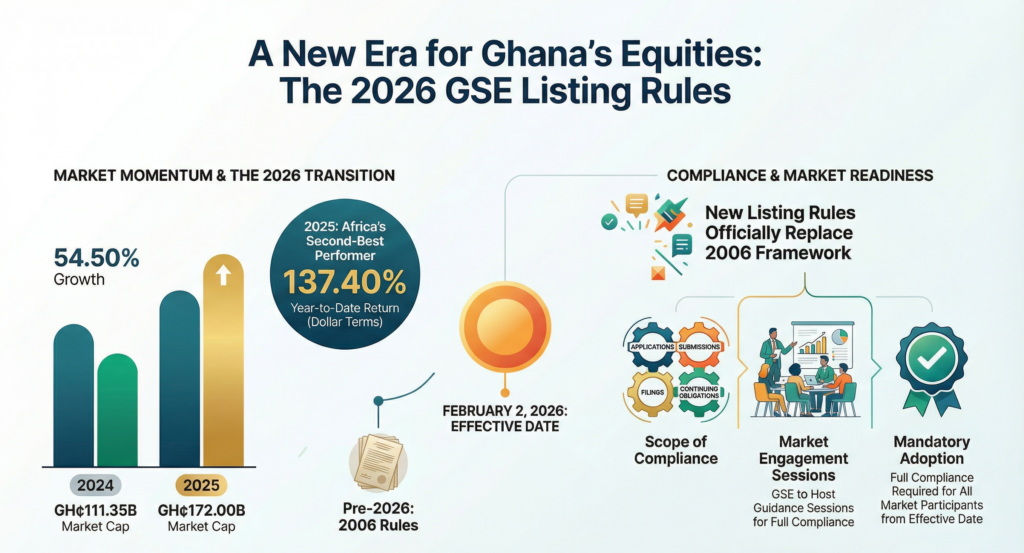
Quick Facts Feature Ghana Stock Exchange (New 2026 Rules) Effective Date February 2, 2026. Preceding Framework Replaces the 2006 Listing Rules, representing the first major update in two decades. Scope of Application Applies to all applications, submissions, filings, and continuing obligations from the effective date. Market Performance Ended 2025 as the second-best performing exchange in
Ghana Stock Exchange Outdoors New Listing Rules Read More »

For several years, the private sector has had cause to complain incessantly about sky-high lending rates in the banking sector, blaming the latter for the perennially low investment in non-current assets, which is critical for developing market competitiveness. In the microfinance sector, lending rates are even worse, so much so that it pales in comparison
Microfinance Sector Reforms 2026: The 3 Top Questions Policymakers Must Address Read More »
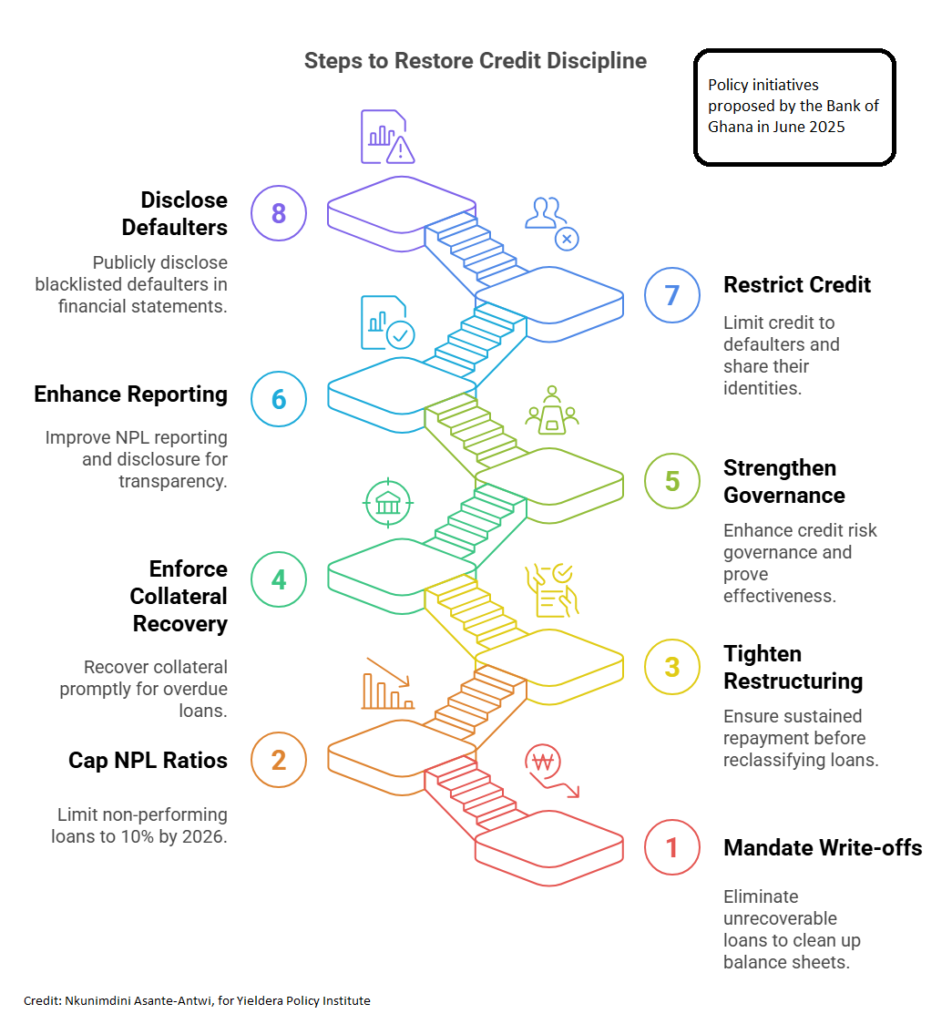
On June 03, 2025, the Central Bank published a statement purporting to be remarks made by Dr. Johnson Pandit Asiama, the governor of the Bank of Ghana, during the latter’s post-MPC meeting with CEOs of Banks. The statement heralded five (5) key regulatory initiatives to be introduced very soon, according to the governor. Yieldera Policy
Yiedera Supports the BoG’s Measures to Restore Credit Discipline Read More »

The Financial Stability Institute (FSI) of the Bank for International Settlements (BIS) has authored several working papers and policy guidance on the principle of proportionality and its impact on regulation and supervision across several jurisdictions. For clarity, proportionality in the broad sense means applying global norms (e.g., rules, standards, oversight) to market actors in ways
Regulatory Forebearance: Proportionality or Laxity? Read More »

Following an excruciating (and fiscally burdensome) insolvency resolution process, the Bank of Ghana, as part of a broad-based effort to avert another financial crisis in the future (at least one comparable in scale), enacted a slew of directives, most of which have transformed the regulatory landscape, undoubtedly. One of such instruments is the Corporate Governance
CEO Tenure Limits Continue to Divide Opinions in the Banking Sector Read More »

In 2013, the Bank of Ghana, under Governor Wampah, in an attempt to address the intractable high-interest-rate problem, announced a formula to be used by Banks as a guide for loan asset pricing. On Tuesday, July 2, 2013, all commercial banks started implementing this new formula for calculating the minimum lending rate for borrowers. This
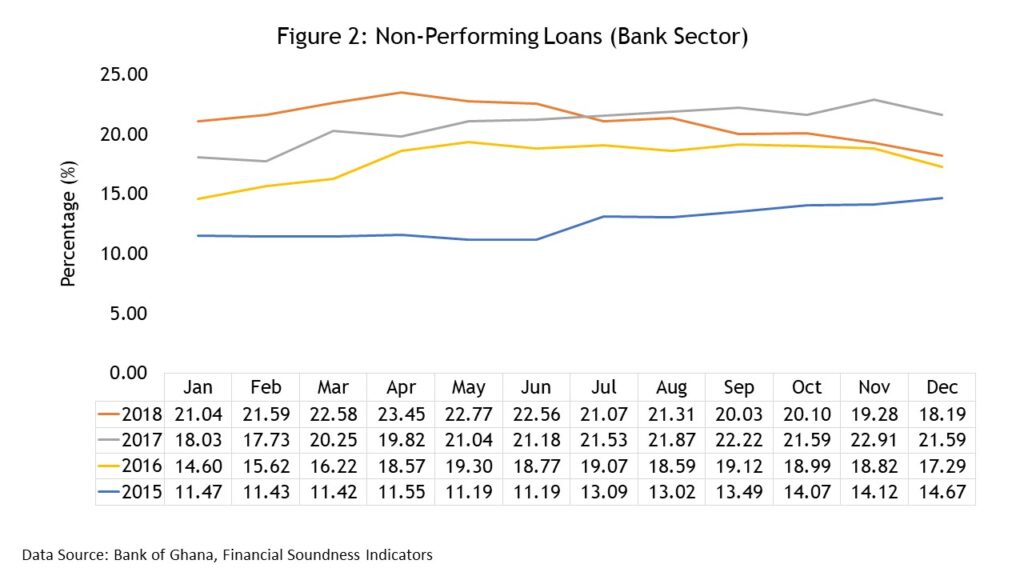
Key Highlights There is no question that a credible credit reference infrastructure yields tremendous benefits to the economy by reducing moral hazard risk associated with lending. Any system or platform that helps to re-balance information asymmetry between borrowers and lenders means that financial institutions are better able to estimate counterparty default probabilities associated with a
Bank of Ghana Must ‘Crack the Whip’ on RFIs for Non-Compliance with Credit Reporting Act Read More »